
Yes. You may qualify for California workers’ compensation benefits if cold exposure or a winter workplace accident causes an injury or illness that arises out of and occurs in the course of your employment. Qualifying conditions may include hypothermia, frostbite, slip-and-fall injuries, and work-related aggravation of an existing condition. Your eligibility depends on the circumstances of the exposure, medical evidence, and applicable workers’ compensation requirements.
Under California Labor Code Section 3600, you generally do not have to prove that your employer was negligent. You must establish the required connection between your injury and your work. The Myers Law Group assists injured workers in Rancho Cucamonga, Santa Barbara, and other California communities with claims for medical care, disability benefits, and disputed coverage.

David P. Myers
Managing Partner

Adam N. Stern
Attorney

Ann Hendrix
Attorney

Robert Kitson
Attorney

Justin Crane
Attorney

Doug Smith
Attorney

Jason Hatcher
Attorney

Morgan J. Good
Attorney

Alvin Ferrara
Attorney
Does California Workers’ Compensation Cover Cold-Weather Injuries?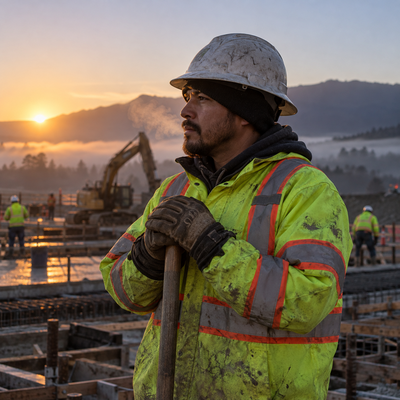
California workers’ compensation can cover an injury or illness caused by cold working conditions when the legal requirements for a compensable workplace injury are met. Cold weather itself does not determine coverage. What matters is how your employment contributed to the injury.
For example:
- You develop hypothermia after spending hours completing assigned outdoor tasks in cold, wet conditions.
- You suffer frostbite while working in a commercial freezer or refrigerated warehouse.
- You fracture your wrist after slipping on a rain-soaked loading dock during your shift.
- You sustain a medically documented injury while performing strenuous tasks in a cold environment.
An insurer may examine when and where the incident occurred, what duties you were performing, and whether medical records connect the condition to your work.
For more information about claim eligibility, visit:
Common Cold-Weather Workplace Injuries in California
California winter conditions vary by region and elevation. You may encounter cold mornings, winter storms, and mountain freezing temperatures around Rancho Cucamonga and the Inland Empire. In Santa Barbara, rain, wind, and wet work areas can also create hazards. Cold-storage facilities present exposure risks regardless of outdoor temperatures.
1. Hypothermia
Hypothermia occurs when your body loses heat faster than it can produce heat, lowering your core body temperature. Extended exposure to cold air, rain, or wet clothing may contribute to this medical emergency.
Possible signs include:
- Shivering and pronounced fatigue
- Confusion or difficulty concentrating
- Slurred speech or poor coordination
- Unusual drowsiness or reduced alertness
If you suspect severe hypothermia, seek emergency medical assistance immediately. When workplace exposure causes the condition, workers’ compensation benefits may be available.
Related Videos
Choosing an Employment Law Attorney
Recovering Damages in an Employment Law Claim
2. Frostbite
Frostbite develops when freezing temperatures damage your skin and underlying tissues. Fingers, toes, ears, and other exposed areas are particularly vulnerable.
Possible signs include:
- Numbness or loss of sensation
- Changes in skin color or texture
- Blistering or tissue damage in more severe cases
You may encounter frostbite hazards while working in a freezer, cold-storage facility, or freezing outdoor environment. Medical evaluation and documentation of your work exposure are important to the claim.
3. Slips, Trips, and Falls
Winter rain, standing water, ice, and wet equipment may make workplace surfaces slippery. For example, you could slip while unloading a truck on a wet loading dock in Rancho Cucamonga.
If the fall causes a fracture, back injury, or another medical condition during covered employment, you may qualify for workers’ compensation. The insurer must evaluate the incident and its relationship to your job.
4. Muscle, Joint, and Tendon Injuries
Cold working conditions may contribute to stiffness and difficulty performing physical tasks. An injury sustained while lifting, carrying, or operating equipment in those conditions may be compensable when medical findings establish the necessary work connection.
Cold temperatures alone do not prove the cause of a muscle or joint condition. Your duties, symptoms, medical history, and medical evaluations can help establish what occurred.
Results
Which Workers Face Greater Cold-Weather Risks?
Cold-weather workplace injuries may affect both outdoor employees and people who work indoors in refrigerated environments.
Jobs involving possible exposure include:
- Construction and road maintenance
- Agriculture and outdoor harvesting
- Delivery services and loading docks
- Utility repair and storm response
- Outdoor building and property maintenance
- Refrigerated warehouses and commercial cold-storage facilities
If you regularly work in cold conditions, document the temperature, duration of exposure, protective equipment, and tasks associated with the injury. These details may help explain the work-related cause of your condition.
Can Cold Weather Aggravate a Pre-Existing Condition?
Yes. A pre-existing medical condition does not automatically prevent you from receiving California workers’ compensation. A new work-related injury or a legally compensable aggravation of an existing condition may qualify.
For example, physically demanding duties performed in cold conditions could aggravate an earlier joint injury. Eligibility depends on evidence that employment contributed to a compensable injury or disability, rather than on increased symptoms alone.
Your treating physician may assess medical history, work activities, diagnostic findings, and whether employment caused or contributed to the condition.
Read more about pre-existing conditions and workers’ compensation:
What Should You Do After a Cold-Weather Workplace Injury?
Step 1: Get Medical Care
Obtain appropriate care promptly. Call emergency services if you experience severe confusion, loss of consciousness, or other signs of a serious cold-related emergency.
Tell your medical provider when the symptoms began, the conditions at work, and which duties you were performing.
Step 2: Notify Your Employer
Report the injury or illness to your supervisor or employer as soon as possible.
The California Division of Workers’ Compensation warns that waiting longer than 30 days to notify your employer can jeopardize benefits in some circumstances. The specific rules can differ for conditions that develop gradually.
Reporting your injury and filing a claim are separate steps.
Step 3: Submit the DWC-1 Claim Form
Your employer generally must provide or mail you a workers’ compensation claim form within one working day after learning about your reported work-related injury or illness.
Complete the employee section, return it to your employer, and keep a copy.
The form is also available from the California Division of Workers’ Compensation:
Step 4: Preserve Evidence
Gather and retain records that may support your claim:
- Dates, times, and locations of exposure
- Outdoor weather reports or indoor temperature records
- Photographs of wet, icy, or hazardous work surfaces
- Names of witnesses or coworkers
- Medical reports, treatment records, and work restrictions
- Written communications with your employer or insurer
Key Point: You do not have to show that cold weather was unusual for California. You need evidence that your work caused or contributed to a compensable injury.
Which Workers’ Compensation Benefits May Be Available?
If your cold-weather claim is accepted and you meet the applicable requirements, California workers’ compensation may provide several forms of support.
Medical Treatment
You may receive reasonable treatment necessary to cure or relieve the effects of a compensable work injury. Care may include emergency treatment, physician visits, medication, rehabilitation, and other authorized services.
Temporary Disability Benefits
If your work-related injury prevents you from performing your usual job during recovery and you meet eligibility requirements, temporary disability payments may replace part of your lost wages.
Permanent Disability Benefits
You may qualify for permanent disability payments if your injury causes lasting impairment. The benefit amount depends on the applicable rating and other legal factors.
Supplemental Job Displacement Benefits
If your injury causes permanent partial disability and your employer does not offer qualifying regular, modified, or alternative work within the applicable period, you may qualify for a supplemental job displacement voucher. Eligibility rules depend in part on the date of injury.
For a broader explanation, read about California workers’ compensation benefits:
Can an Insurance Company Deny Your Claim Because the Weather Was Naturally Cold?
An insurer may dispute whether your injury was work-related, but natural weather conditions do not automatically exclude an otherwise compensable claim.
Disputes may involve:
- Whether you were performing work duties when the injury occurred
- Whether work exposure caused or contributed to the condition
- Whether medical evidence supports the claimed injury
- Whether your disability is attributable to the work-related condition
If your claim is denied, you may have the right to challenge the decision through the California workers’ compensation system. Deadlines and procedures apply, so review any denial notice promptly.
Frequently Asked Questions About Cold-Weather Workers’ Compensation
Can You Receive Workers’ Compensation for Hypothermia in California?
Yes, potentially. Hypothermia may qualify when cold exposure during your employment causes the illness and the claim satisfies California workers’ compensation requirements.
Medical documentation and evidence of your duties and exposure are important.
Does Workers’ Compensation Cover Frostbite From Working in a Freezer?
It may. If you develop frostbite while performing covered duties in a freezer or refrigerated warehouse, you may qualify for benefits.
The medical findings and relationship to your work will determine whether the claim is compensable.
Can You File a Claim After Slipping During a Winter Rainstorm?
Yes. A fall on a wet or slippery surface during covered employment may be compensable, even if rain contributed to the accident.
Report the injury and document the location, working conditions, and medical consequences.
What if Your Employer Blames the Weather Instead of Your Work?
The source of the cold or rain does not settle the question of eligibility.
The issue is whether your employment caused or contributed to an injury that meets California workers’ compensation requirements. Medical records, witness accounts, and evidence of your assigned duties may support your claim.
Can You Receive Benefits if Cold Weather Worsens an Old Injury?
Possibly. California law can recognize work-related aggravation of a pre-existing condition.
A medical evaluation must support the connection between your employment and a compensable injury or disability.
Speak With a California Workers’ Compensation Attorney
If cold exposure, a winter fall, or work in a refrigerated facility has affected your health, you can discuss your options with The Myers Law Group.
The firm represents injured California workers and assists with medical treatment disputes, benefit questions, denials, and other workers’ compensation matters.
With offices in Rancho Cucamonga and Santa Barbara, the firm serves the Inland Empire, Santa Barbara County, and nearby California communities.
Rancho Cucamonga:
Santa Barbara:
You can also contact The Myers Law Group to request a consultation and discuss your circumstances:
This article provides general information and is not legal advice. Your rights and available benefits depend on the facts of your case.