
As temperatures drop in California, workplace injuries spike, especially for those working outdoors or in environments unprepared for winter’s challenges. The team at The Myers Law Group, experts in employment law and workers’ compensation, breaks down why cold weather increases the risk of accidents, how it affects various industries, and what employers can do to reduce the risks for their workers.
Managing Partner Attorney Attorney Attorney Attorney Attorney Attorney Attorney Attorney
David P. Myers

Adam N. Stern

Ann Hendrix

Robert Kitson

Justin Crane

Doug Smith

Jason Hatcher

Morgan J. Good

Alvin Ferrara
Understanding the Link Between Cold Weather and Workplace Injuries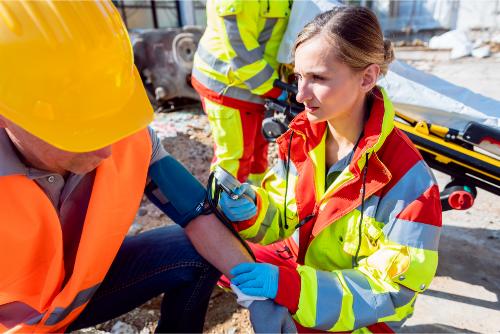
Winter in California is often mild compared to other regions, but even slight temperature drops can create dangerous conditions in the workplace. While the risk of winter-related injuries may not be as high as in colder states, certain industries and job types are especially vulnerable. The low temperatures, combined with moisture from rain, can create hazardous conditions that lead to accidents. Whether it’s slipping on icy surfaces, straining muscles in cold conditions, or enduring health risks from prolonged exposure to low temperatures, cold weather makes certain jobs more dangerous.
For workers across California, the winter months are a time when awareness of safety must be heightened. From construction sites to warehouses and transportation hubs, the cold brings challenges that need immediate attention to prevent injury. As California’s weather fluctuates, workers are more susceptible to a variety of cold-related hazards. Here’s why these hazards are so prominent in the colder months:
- Slippery Walkways: As temperatures dip, rainwater and moisture on outdoor walkways can freeze, making surfaces slippery. This is especially problematic for outdoor workers, such as those in construction, landscaping, and deliveries, where slip-and-fall injuries are common. Even in indoor environments, workers in warehouses or factories face slip hazards due to wet floors.
- Reduced Visibility: Winter in California brings shorter days, resulting in reduced daylight hours. Many workers begin and end their shifts in the dark, contributing to a higher risk of accidents, especially in industries like transportation and construction, where visibility is key. Fog, a common feature in winter mornings and evenings, also adds to the danger of working in low-visibility conditions.
- Cold-Related Illnesses: Exposure to cold weather can lead to serious health risks like hypothermia, frostbite, and trench foot. Outdoor workers are especially vulnerable. Without proper clothing, rest breaks, and shelter, workers are at risk of freezing conditions that can lead to dangerous health consequences.
- Physical Strain: Cold weather causes muscles to tighten and stiffen, increasing the likelihood of sprains and strains. Physical tasks like lifting, bending, and carrying heavy objects become riskier when workers’ bodies are not properly warmed up or clothed. This is true for both outdoor and indoor labor, especially in warehouses or factories where workers perform repetitive tasks.
I had some issues with my employer. I called a couple of law firms. Some called back and some did not. When David Myers returned my call I found him to be down to earth and personable. He was cognitive about my issues and his knowledge of Labor Law was exemplary. My issues were addressed and handled to my satisfaction. I will recommend David Myers and his law group to anyone who asks. Thank you David.” - Ken Fretter The Meyers Law Group is definitely the lawyer’s you want. We got absolutely misguided by another attorney firm and Maria helped us out and got us taken care of. Maria will take the time to completely understand your case and her knowledge is well beyond the many firms we sat with.Do not! I repeat, Do not! Use another firm without talking to The Meyers Law Group first.Thank you Maria for getting us the results we were expecting." - Koa G. I have hired David Myers for 2 cases. The first was a wrongful termination based on my request for a reasonable accommodation under ADA law. The second case involved an employer who reneged on a written job offer/acceptance. In both cases, David was knowledgeable about the laws, presented the case well, and was supportive of me. We prevailed on both cases. I would recommend David without hesitation." - Anonymous
Industries That See the Highest Increase in Injuries During Winter
While cold weather can affect any type of work environment, certain industries see a more significant rise in injuries during the winter months. The following industries face particular challenges:
- Construction: The construction industry is one of the most vulnerable to winter weather. Workers in construction spend significant time outdoors, and even minor changes in weather conditions can lead to hazardous conditions. Wet and icy surfaces, combined with the physical nature of the work, result in higher rates of falls, fractures, and musculoskeletal injuries. Additionally, frostbite or hypothermia can pose serious risks if workers are not properly clothed or sheltered.
- Transportation and Delivery: Drivers and delivery personnel are more likely to encounter icy roads, poor visibility, and slick surfaces, all of which increase the chance of accidents. Whether they’re navigating through foggy morning roads or delivering goods to outdoor sites, the winter weather can lead to accidents involving slips, falls, or vehicle crashes. As a result, delivery drivers and truck operators need to be particularly cautious during winter months.
- Warehousing and Manufacturing: Even indoor workers aren’t immune to cold-related risks. Many warehouses and factories lack proper heating, making it uncomfortable and unsafe for workers to perform physical labor in cold temperatures. In these environments, employees are at risk of injuries caused by muscle stiffness, poor ergonomics, and slips and falls on wet floors.
- Agriculture: In agriculture, outdoor workers often face the most extreme cold temperatures, particularly in the early mornings. Frosty conditions can create slippery work environments, especially when workers are navigating uneven terrain. Additionally, handling cold equipment or tools without proper insulation increases the risk of accidents.
- Healthcare and Emergency Services: Healthcare workers and emergency responders also face increased risks during winter. Responding to accidents on icy roads, performing physical labor in cold conditions, or simply managing cold-related injuries in patients can be physically taxing and dangerous.
Choosing an Employment Law Attorney Recovering Damages in an Employment Law ClaimRelated Videos
How Employers Can Help Protect Workers from Winter Hazards
Employers have a critical role to play in preventing injuries caused by winter weather. From providing the right tools to ensuring workers are properly trained, there are several measures that employers can take to safeguard their workers during the colder months. Here are some of the most important steps:
- Provide Proper Clothing and Gear: Workers exposed to cold conditions should be provided with thermal clothing, including jackets, gloves, hats, and insulated footwear. For those working outside, waterproof clothing and footwear are essential for maintaining warmth and preventing cold-related illnesses. Employers should also provide personal protective equipment (PPE) such as slip-resistant boots and anti-slip mats to prevent falls.
- Maintain Safe Walkways and Workspaces: Employers should clear outdoor walkways, parking lots, and paths of ice. Salting or using sand can help keep these surfaces safer for workers. For indoor workplaces, it’s essential to keep floors dry and use floor mats to absorb moisture. Workers should also be given instructions on how to report hazardous conditions like wet floors or icy walkways.
- Provide Adequate Heating: For indoor workers, ensure that heating systems are functioning properly and that areas where employees work are adequately warmed. Poor indoor heating can lead to injuries caused by muscle strain or stiffness, and workers may be at risk of more serious conditions if they are exposed to prolonged cold temperatures indoors.
- Implement Breaks and Rotations: Employers should schedule regular breaks for outdoor workers to warm up in a heated area. Rotating employees between outdoor and indoor duties can also reduce the risk of exposure to extreme cold. Allowing workers to warm up throughout their shifts will help prevent injuries related to physical strain.
- Increase Lighting and Visibility: To combat the reduced visibility in winter, employers should ensure proper lighting in all work areas. For outdoor jobs, using portable lights or high-visibility clothing will help workers stay visible in dim light conditions, reducing the risk of accidents.
- Safety Training and Awareness: Employers should educate workers about the risks associated with cold weather and ensure they know how to protect themselves. Training should include how to recognize the early signs of cold-related illnesses, how to safely lift heavy objects in cold weather, and how to prevent slips and falls on wet or icy surfaces.
What to Do If You Are Injured at Work
Even with the best precautions in place, accidents can still happen. If you are injured at work during the winter months, it’s important to take the following steps:
- Report the Injury: Notify your employer about the injury as soon as possible. This will ensure that an official report is filed and that your workers’ compensation claim can be processed.
- Seek Medical Attention: Depending on the severity of the injury, it’s important to seek medical care immediately. Whether it’s a sprain, a slip-and-fall injury, or frostbite, getting timely treatment can prevent long-term damage.
- Consult an Attorney: If your injury occurred due to unsafe working conditions or if your workers’ compensation claim is denied, consulting an experienced attorney is a wise next step. The team at The Myers Law Group specializes in workers’ compensation claims and can help ensure that you receive the compensation you deserve.
The winter months can pose significant risks to workers in California, especially those working outdoors or in physically demanding environments. If you have suffered a workplace injury, the team at The Myers Law Group is here to help. We specialize in workers’ compensation and personal injury law and can guide you through the process of filing a claim. Contact us today for a free consultation and take the first step towards getting the compensation you deserve.
To learn more about this subject click here: The Importance of Reporting Workplace Injuries in California