
California employers must be mindful of their legal obligations when it comes to managing pregnancy leave, medical leave, and staffing adjustments, particularly during the spring. The state has stringent laws to protect employees, and it’s essential for employers to comply to avoid legal risks. This comprehensive guide outlines what employers cannot do under California law regarding pregnancy and medical leave, along with tips on how to make sure staffing changes don’t violate these rights.
Managing Partner Attorney Attorney Attorney Attorney Attorney Attorney Attorney Attorney
David P. Myers

Adam N. Stern

Ann Hendrix

Robert Kitson

Justin Crane

Doug Smith

Jason Hatcher

Morgan J. Good

Alvin Ferrara
Key Legal Protections for California Employees 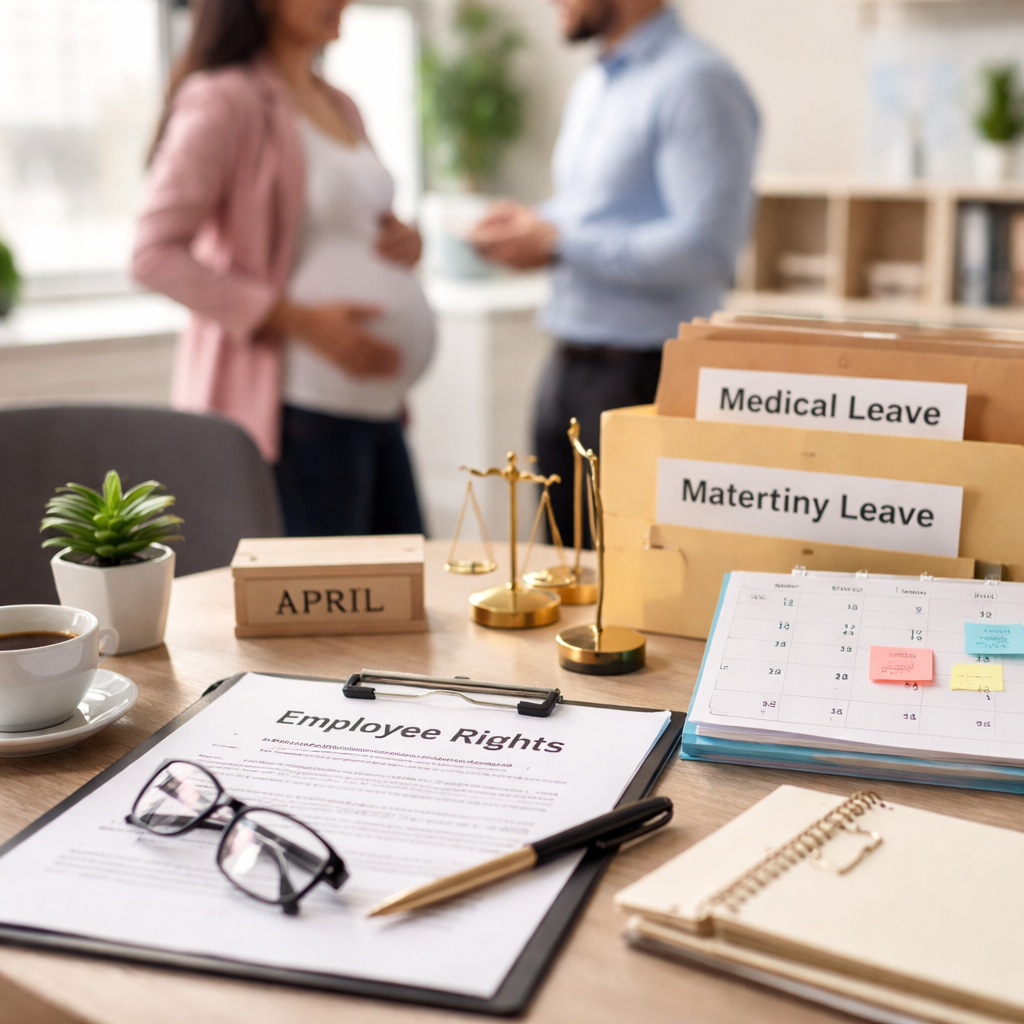
California is known for having some of the most employee-friendly labor laws in the country. Employers in the state are required to provide various types of leave, including pregnancy leave and medical leave, to qualified employees. These laws are designed to protect workers from discrimination, retaliation, and unfair treatment while they are on leave for personal health reasons or pregnancy-related conditions.
At The Myers Law Group, we work with businesses across California to ensure compliance with these complex regulations. With spring staffing changes often causing operational adjustments, it’s crucial for employers to understand the limitations of how they can manage leave and retain employees. This guide will explain what California employers cannot do regarding pregnancy and medical leave, and how employers can navigate staffing changes while remaining compliant.
Understanding Pregnancy Leave Laws in California
Pregnancy-related medical leave is an essential right for employees who are pregnant, recently gave birth, or are dealing with a pregnancy-related health condition. California employers must ensure they provide the necessary time off for these employees without fear of discrimination. The key laws governing pregnancy leave in California include:
- Pregnancy Disability Leave (PDL)
Pregnant employees in California are entitled to up to four months of job-protected leave for a pregnancy-related medical condition. PDL allows employees to take time off if they are physically unable to work due to pregnancy, childbirth, or a medical condition related to pregnancy. Employers are required to continue providing health benefits during this time, and employees cannot be fired for taking this leave. - California Family Rights Act (CFRA)
After pregnancy leave, employees are entitled to 12 weeks of unpaid leave under the CFRA. This leave can be used to bond with a newborn child, newly adopted child, or a child placed in foster care. This law applies to employers with 5 or more employees and provides employees with job protection during the leave period.
I had some issues with my employer. I called a couple of law firms. Some called back and some did not. When David Myers returned my call I found him to be down to earth and personable. He was cognitive about my issues and his knowledge of Labor Law was exemplary. My issues were addressed and handled to my satisfaction. I will recommend David Myers and his law group to anyone who asks. Thank you David.” - Ken Fretter The Meyers Law Group is definitely the lawyer’s you want. We got absolutely misguided by another attorney firm and Maria helped us out and got us taken care of. Maria will take the time to completely understand your case and her knowledge is well beyond the many firms we sat with.Do not! I repeat, Do not! Use another firm without talking to The Meyers Law Group first.Thank you Maria for getting us the results we were expecting." - Koa G. I have hired David Myers for 2 cases. The first was a wrongful termination based on my request for a reasonable accommodation under ADA law. The second case involved an employer who reneged on a written job offer/acceptance. In both cases, David was knowledgeable about the laws, presented the case well, and was supportive of me. We prevailed on both cases. I would recommend David without hesitation." - Anonymous
What Employers Cannot Do:
- Deny Leave for Pregnancy-Related Conditions
Employers must allow employees to take the full amount of pregnancy disability leave they are entitled to. Denying leave or offering less than the four months required under PDL is a violation of California law. - Discriminate Against Employees for Taking Pregnancy Leave
Employers are prohibited from discriminating against employees based on their pregnancy status. This means that employers cannot demote, refuse promotions, or retaliate in any way against an employee for taking pregnancy-related leave. - Refuse to Provide Reasonable Accommodations
Pregnant employees may need accommodations, such as modified duties or more frequent breaks, to continue working while pregnant. Employers must provide these reasonable accommodations unless it would create an undue hardship for the business.
Medical Leave Rights and Protections Under California Law
California law not only provides robust protections for pregnant employees but also for employees with medical conditions unrelated to pregnancy. Employees who need time off for serious health conditions are often protected by both state and federal law, particularly the California Family Rights Act (CFRA) and Family and Medical Leave Act (FMLA).
The FMLA is a federal law that provides up to 12 weeks of unpaid leave for employees with serious medical conditions, or for family members needing care. While the CFRA generally mirrors the FMLA, it has a broader scope in California, offering additional protections to employees working in the state.
Choosing an Employment Law Attorney Recovering Damages in an Employment Law ClaimRelated Videos
What Employers Cannot Do:
- Retaliate Against Employees for Taking Medical Leave
It’s illegal for employers to fire, demote, or otherwise retaliate against an employee for taking medical leave. If an employee is on a protected leave, the employer must hold their position or provide a similar role upon their return. - Refuse to Rehire Employees After Medical Leave
When employees return from medical leave, they must be reinstated to their previous job, or to a comparable position. Employers cannot withhold promotions or prevent employees from returning to work unless there are special circumstances, such as business restructuring or other legal exceptions. - Fail to Honor Job Protection Laws
Employees on medical leave under CFRA and FMLA are entitled to job protection. Employers cannot treat employees unfairly or fail to reinstate them after the end of their leave.
Results
Navigating Spring Staffing Changes: What Employers Cannot Do
Spring often brings changes in staffing as businesses prepare for the warmer months, seasonal work, or transitions in staffing needs. However, employers must tread carefully when making these adjustments, particularly for employees who are on pregnancy or medical leave.
During spring, employers may be faced with decisions regarding layoffs, promotions, or reassignments. For employers with employees on pregnancy or medical leave, there are legal protections in place that prevent these changes from being made in a discriminatory manner.
What Employers Cannot Do:
- Terminate Employees on Medical or Pregnancy Leave
Employers cannot use an employee’s pregnancy or medical leave as a reason for termination. Even if spring staffing changes require reducing headcount or reallocating resources, employers must not target employees who are on protected leave. - Replace Employees on Leave
Employers are prohibited from replacing an employee who is on pregnancy or medical leave with a new hire. Even if staffing needs are urgent, pregnant employees or those on medical leave have a right to return to their position. - Use Leave as a Factor in Staffing Decisions
Employers cannot consider an employee’s use of pregnancy or medical leave when making staffing decisions, such as promotions, raises, or assignments. Doing so could be considered retaliation, which is illegal under California law.
What Employers Can Do to Stay Compliant
As spring approaches, employers should take proactive steps to ensure that their staffing adjustments are in compliance with California’s pregnancy leave and medical leave laws. Here’s what employers should keep in mind:
- Communicate Clearly with Employees
Employers should have clear communication with employees regarding their leave rights. This includes providing written notice of pregnancy and medical leave policies, outlining procedures for requesting accommodations, and ensuring that employees are aware of their rights. - Ensure Equal Treatment for All Employees
When making staffing changes, employers must treat all employees equally, regardless of whether they are on medical or pregnancy leave. It’s crucial that employers do not make staffing decisions that unfairly impact employees who are utilizing their leave rights. - Consult with Legal Experts
Employers should consult with an employment law attorney, especially when making staffing changes that could impact employees on leave. An attorney can help ensure that all leave-related decisions are made in compliance with the law.
Understanding the Do’s and Don’ts for California Employers
California employers must adhere to strict regulations regarding pregnancy and medical leave. Ensuring compliance with these laws protects both employees and employers from costly legal disputes. As businesses make staffing changes, especially during the spring season, it is essential to ensure that pregnancy leave, medical leave, and employee rights are respected.
By understanding what cannot be done when managing leave and staffing, employers can navigate these challenges confidently and stay compliant with California labor laws. If you are an employer in California and need guidance on pregnancy, medical leave, or staffing changes, The Myers Law Group is here to help. Our team of experienced attorneys can provide expert legal advice to help you maintain a fair and legally compliant workplace.
For assistance with pregnancy leave, medical leave, or any employment law concerns, contact The Myers Law Group today. Our team is dedicated to helping employers navigate complex regulations to ensure a smooth, legally compliant workplace.
To learn more about this subject click here: Understanding the Family Medical Leave Act FMLA in California Employee Rights and Employer Obligations